FirstNet expands cell site network as satellite connectivity emerges as competing remote access solution
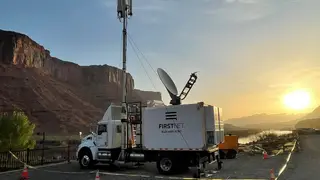
The FirstNet Authority has approved hundreds of additional cell sites to be deployed by AT&T, expanding coverage to underserved areas. Meanwhile, T-Mobile is positioned ahead of competitors in launching satellite device-to-device connectivity for reaching remote locations. The dual approaches represent different strategies for closing coverage gaps in the nation's emergency communications infrastructure.
The FirstNet Authority's approval of additional cell sites represents an ongoing effort to strengthen the dedicated emergency communications network that serves first responders across the United States. By deploying hundreds of new sites through AT&T, the initiative aims to address coverage deficiencies in areas that have historically faced connectivity challenges during emergencies.
Simultaneously, the emergence of satellite-based device-to-device connectivity as an alternative approach signals a shift in how remote coverage gaps might be addressed. T-Mobile's advancement in this technology demonstrates that multiple infrastructure strategies are being pursued to ensure emergency personnel can maintain communications in locations where traditional cell networks remain unavailable or unreliable.
These competing approaches could shape how emergency responders access critical communications in underserved regions. First responders in rural or remote areas may benefit from improved connectivity options, potentially enhancing response capabilities during disasters. The expansion of ground-based infrastructure and development of satellite alternatives may also influence broadband availability for civilian populations in the same regions, though the primary focus remains emergency communications infrastructure and public safety operations.