Former Congressman Paul Criticizes Administration Tariffs as Hidden Tax on Households
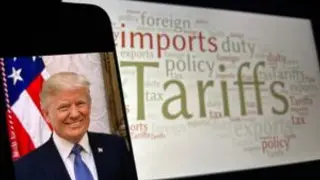
Ron Paul characterized President Trump's tariff policies as an undeclared economic conflict, citing estimates that average American households face over $800 in additional costs this year from the levies. The former congressman's commentary frames tariffs as a regressive form of taxation affecting consumers across the country. His critique represents opposition viewpoints on the administration's trade policy approach.
Ron Paul, a former member of Congress, has issued criticism of the current administration's approach to trade tariffs. According to his assessment, these levies function as an undisclosed tax burden on American consumers, with research suggesting households nationwide could face over $800 in additional expenses during the year as a result.
Paul's comments highlight a key debate within tax policy discussions: whether tariffs, as trade tools, ultimately shift costs to ordinary consumers rather than foreign producers. His framing emphasizes the regressive nature of such policies, meaning they may disproportionately affect lower-income households with limited ability to absorb price increases.
The debate over tariff policy touches multiple constituencies with varying interests. Consumers may face higher prices on imported goods, potentially affecting household budgets and purchasing power. Businesses reliant on imports could experience increased operational costs, while domestic manufacturers might benefit from reduced foreign competition. Workers in different sectors may see employment effects depending on industry exposure. The economic impact of such policies remains contested among policymakers and economists, with disagreement over whether short-term costs justify purported long-term benefits.