Apple's Upcoming Smart Display Could Compete With Google and Amazon Offerings
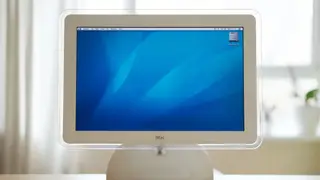
Apple is expected to announce its first smart display device, codenamed HomePad, at an October 13 launch event, marking the company's entry into a market dominated by Google and Amazon. The device will feature a roughly 6-inch square touchscreen with a design inspired by the iconic iMac G4, and a larger 9-inch version with a robotic arm for automatic screen movement will also be available. Built on the redesigned Siri AI, the HomePad will support multi-user household recognition, smart home control, and access to popular Apple apps like FaceTime and Messages.
Apple's entry into the smart display market addresses a product category that has remained largely stagnant in recent years. The company's delayed development timeline reflects its commitment to advancing the underlying AI technology powering the device, suggesting a focus on differentiation rather than rushing to market. The inclusion of voice-based multi-user recognition represents a practical solution to household dynamics, enabling personalized experiences without requiring manual device switching.
The robotic arm variant on the larger model introduces novel functionality rarely seen in consumer smart displays. This mechanical movement capability, combined with a significantly larger screen, positions Apple to offer features beyond what current market leaders provide. The design philosophy—borrowing from the iMac G4's iconic aesthetic—indicates Apple's strategy to make the device a visually distinctive home object rather than a purely functional gadget.
Apple's smart display launch could reshape household technology adoption patterns, particularly within Apple-centric families who may find integrated video calling and app ecosystems more convenient. The competitive pressure may prompt Google and Amazon to accelerate their own innovation cycles, potentially benefiting consumers through faster feature development. However, the smart display market's slow growth suggests mainstream demand remains limited, meaning impact may concentrate among early adopters and tech-forward households rather than transforming broader consumer behavior.