Home Maintenance: Testing PVC Window Drainage to Prevent Water Damage
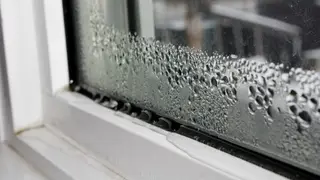
Window professionals use a simple water-pour test to verify that lower window tracks properly drain rainwater through exterior weep holes, a critical maintenance check for preventing interior water infiltration. Homeowners should pour water slowly into the bottom track while watching for drainage from exterior outlets; if water doesn't drain, debris or caulk may be blocking the path and require cleaning with brushes or small wire tools. A passing drainage test confirms one route is clear, but water leaks can originate from multiple pathways including frame gaps and sash joints.
Window drainage systems rely on a network of pathways designed to redirect rainwater away from the home's interior. The bottom track serves as the primary collection point, channeling water toward exterior weep holes that act as outlets. Over time, these critical openings become vulnerable to blockages from environmental debris, paint buildup, or improperly applied caulk—issues that homeowners can often resolve with basic cleaning tools and patience.
Water infiltration around windows extends beyond simple track drainage failures. Vulnerability exists at multiple vulnerable points: where the frame meets the wall opening, within frame joints themselves, along sash-to-frame connections, and at glass-to-sash seals. Professional assessment using standardized pressure and spray testing can identify concealed problems that a simple drainage check alone cannot detect, making it one diagnostic tool among many in comprehensive window maintenance.
Window water damage affects property values, structural integrity, and indoor air quality through mold growth and material degradation. Homeowners conducting preventive maintenance themselves may reduce costly repairs, though the drainage test represents only preliminary assessment. Professional inspection becomes necessary when drainage fails or when water staining suggests deeper infiltration, potentially averting thousands in remediation expenses for those who address problems early.