Bell's Regina AI Data Centre Project Reaches Major Construction Milestone With 500-Plus Workers
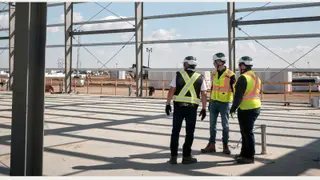
Bell is building a 300-megawatt AI data centre campus outside Regina with over 500 workers now on site, with structural steel rising on all four first-phase buildings and the first facility slated to begin operations in the first half of 2027. The $1.7 billion investment is fully contracted with long-term agreements from Cerebras and CoreWeave, distinguishing it from speculative AI data centre projects across Canada. The construction activity is generating secondary economic benefits for the surrounding region, and Bell plans to establish an AI Fabric headquarters in Regina that could bring up to 100 management positions to the city.
Bell's Saskatchewan facility distinguishes itself from competitors through pre-secured tenant commitments rather than speculative development. The $1.7 billion infrastructure investment covers real estate, buildings, electrical systems and network capabilities, while computing hardware expenses fall to anchor tenants Cerebras and CoreWeave. The project's phased approach targets initial operations within months, with subsequent expansion possibilities that could eventually reach 1.2 gigawatts of capacity.
The development is generating ripple effects across the region beyond direct construction employment. Municipal leaders anticipate sustained economic activity through hospitality and service sectors as the workforce remains on-site. Additionally, Bell's planned relocation of corporate functions to Regina could introduce substantial white-collar employment, potentially establishing the province as a significant North American AI infrastructure hub.
The project may reshape Saskatchewan's economic positioning by attracting technology sector investment and employment. Regional communities could experience increased demand for skilled trades and professional services. However, the long-term sustainability of such benefits depends on workforce retention and whether ancillary businesses can scale to meet infrastructure demands. The concentration of AI infrastructure in specific geographic areas may also influence broader patterns of regional economic development across Canada.