Boardwalk REIT Divests Aging Apartment Portfolio in Grande Prairie for $30.2 Million
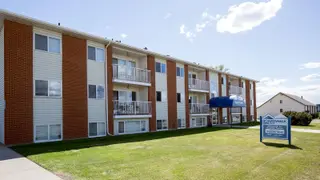
Boardwalk REIT sold eight older apartment properties comprising 210 suites in Grande Prairie for $30.2 million, closing the transaction in September at a 7.4% exit cap rate and $144,000 per suite. The sale is part of Boardwalk's capital recycling strategy to divest non-core assets while maintaining a presence in key markets, with the 2026 dispositions now totaling $522.2 million across 2,291 suites. The proceeds are being redirected toward repurchasing Boardwalk's own units at approximately 30% discount to underlying portfolio value.
Boardwalk REIT's divestment strategy reflects a deliberate approach to portfolio management. The company has systematically identified and sold assets built primarily in the early 1970s, which constitute the oldest segment of its holdings. By targeting properties with strong occupancy metrics and clustering in specific geographic areas, the REIT has been able to attract institutional and private buyers willing to accept higher yields in exchange for aging infrastructure.
The capital redeployment initiative demonstrates confidence in the company's underlying asset base. Rather than retaining proceeds for debt reduction or expansion, Boardwalk has committed over a quarter-billion dollars to repurchasing its own securities at substantial discounts. This approach suggests management believes the market undervalues the organization relative to the intrinsic worth of its real estate holdings.
The transaction may signal shifting investor preferences within residential real estate markets. Private buyers' continued appetite for older apartment stock in secondary markets like Grande Prairie could indicate confidence in long-term demand, though it may also reflect lower acquisition costs offsetting higher maintenance expectations. Existing Boardwalk residents could be affected if ownership transitions influence property management practices. The unit buyback program could benefit remaining shareholders by concentrating ownership, though it diverts capital that might otherwise fund renovations or new development across the portfolio.