Bolivia's Fuel Shortage Continues Despite Government Intervention and Market Price Reforms
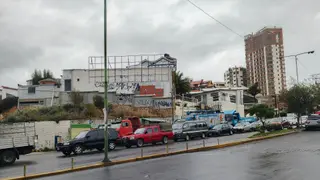
Bolivia experienced ongoing fuel shortages on October 5, 2026, despite state oil company YPFB's announcement of increased diesel and petrol deliveries to service stations nationwide. Long queues persisted in major cities including La Paz, Tarija, and Santa Cruz, with authorities reporting over 1,800 vehicle license plates blocked to prevent repeat purchasing. The shortage follows the government's September 19 policy shift to market pricing for diesel while maintaining petrol subsidies, a reform backed by an IMF program.
Bolivia's fuel crisis reflects the complexities of transitioning to market-based pricing in a country heavily dependent on imported diesel. The September 19 policy reform, which liberalized diesel prices while keeping petrol artificially cheap, aimed to align with International Monetary Fund recommendations but has created perverse incentives. Citizens and businesses are exploiting price differentials through hoarding and resale, prompting authorities to implement a tracking system using vehicle registration data to identify repeat purchasers and block further transactions.
The government's enforcement response combines supply-side measures with demand-side controls. YPFB has increased fuel distribution across Bolivia's nine departments while implementing sanctions against service stations and vehicles involved in illicit diversion. The blocking of over 1,800 license plates and threat of station closures represent an attempt to reshape market behavior through administrative mechanisms, though the effectiveness remains uncertain as long queues continued despite these interventions.
The fuel shortage poses risks to Bolivia's transport and logistics networks, potentially raising costs for commuters and businesses reliant on freight movement. If strikes materialize or shortages persist, supply chain disruptions could ripple through the economy and limit access to essential services. Low-income populations may face particular hardship from transport cost increases, while the government's enforcement actions raise questions about equity and effectiveness of administrative controls in addressing structural market imbalances.