Amazon Invests $1 Billion in Communities to Counter Data Center Opposition
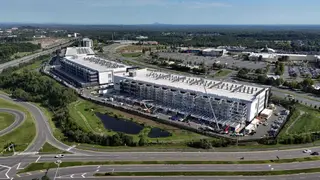
Amazon announced a five-year, $1 billion community investment program designed to address growing opposition to its data center expansion plans, offering free community college tuition for relevant technical programs and energy efficiency upgrades to residential properties. The initiative responds to escalating local resistance and state-level moratoriums on large data center construction, with New York implementing a statewide ban in July and Virginia showing only 35% public support for new facilities. Other tech giants including Microsoft and Meta have similarly launched community benefit programs to ease tensions surrounding their infrastructure buildout for artificial intelligence operations.
Amazon's initiative reflects mounting pressure from local governments and residents concerned about data center expansion. New York's statewide moratorium on large facilities and Virginia's low public support demonstrate how opposition has moved beyond individual communities to state-level policy decisions. The company faces specific challenges in locations like Loudoun County, Virginia, where proposed projects on valuable properties have drawn official resistance.
The broader technology sector recognizes these challenges extend across companies. Microsoft and Meta have already implemented their own community benefit strategies focused on infrastructure costs—electricity grids and water systems—areas where data centers create measurable impacts on local resources and resident expenses.
Amazon's $1 billion commitment could influence whether local governments proceed with or maintain moratoriums on data center projects, potentially accelerating AI infrastructure development across the U.S. Communities may gain tangible benefits through job training and energy upgrades, though effectiveness depends on implementation. The strategy may also establish precedent for how tech companies negotiate regional expansion, potentially shifting power dynamics between corporations and local stakeholders in infrastructure decisions.