Spain's Sanchez Calls Early Election Amid Housing Crisis Protests
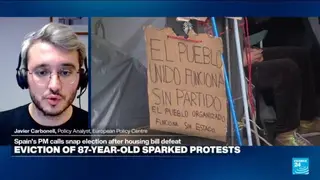
Spanish Prime Minister Pedro Sanchez announced snap elections for November 29 following lawmakers' rejection of housing crisis proposals that triggered nationwide demonstrations. Analysts suggest Sanchez timed the election to capitalize on mobilized left-wing voters energized by the housing protests. The move aims to strengthen his parliamentary position after the recent legislative setback.
Spanish Prime Minister Pedro Sanchez announced snap elections scheduled for late November following parliamentary rejection of his government's housing crisis proposals the previous week. This legislative defeat coincided with widespread public demonstrations across Spain demanding action on housing affordability and availability, indicating significant public concern over the issue.
Policy analysts suggest Sanchez's timing may prove strategically advantageous, as the housing protests have galvanized left-wing voter participation and mobilization. By calling elections during this period of heightened political engagement, the prime minister may seek to capitalize on increased turnout among constituencies aligned with his political coalition.
The election outcome could reshape Spain's parliamentary composition and governing capacity. Voters concerned about housing accessibility may view the ballot as a referendum on government responsiveness to economic hardship. The results may either strengthen Sanchez's legislative position or force coalition realignments. Housing policy implementation and economic priorities may depend heavily on parliamentary configuration following the November vote, potentially affecting both policy direction and Spain's influence within broader European political discussions.