Trump voices worry over Republican electoral outlook in final month before midterms
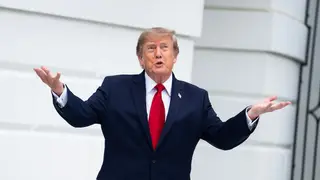
President Trump has begun publicly acknowledging concerns about Republicans' competitive position in multiple midterm races, marking an unusual departure from his typical confidence. During rallies across Texas, Oklahoma, and Ohio, Trump expressed particular worry about contested races in Michigan and Texas and criticized inflation messaging challenges his party faces. The president attributed rising costs to Democratic policies while asserting his administration is bringing prices down, even as fuel costs remain significantly elevated compared to the previous year.
Trump's candid remarks represent a notable shift in his public messaging strategy. Rather than projecting uniform optimism, he has begun framing the midterm contest differently to supporters, urging them to view the election as a personal referendum on his leadership rather than a traditional midterm assessment. His acknowledgment of competitive races across multiple states—particularly Michigan and Texas—signals internal Republican concerns about electoral momentum heading into the final weeks.
The president has identified messaging challenges as a core vulnerability for his party. He contends that economic improvements, particularly job creation figures, are not being effectively communicated to voters, while simultaneously attributing inflation to his predecessor's policies. This dual focus on both economic data interpretation and strategic communication reflects broader Republican efforts to reshape voter perceptions of economic conditions before Election Day.
Trump's public acknowledgment of electoral vulnerability could influence voter turnout and candidate morale across Republican campaigns. If interpreted as pessimism, such statements may demoralize grassroots supporters or embolden Democratic campaigns in competitive districts. Conversely, framing races as high-stakes personal referendums could energize Trump's base. The narrative shift may also affect how political observers assess Republican confidence levels and could shape media coverage of individual races in the final campaign period.