Behind-the-Scenes: Director's Original Vision for Phantom of the Opera's Effects
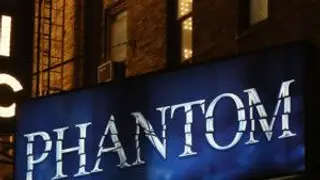
A retrospective published in The Guardian reveals that Harold Prince, the original director of The Phantom of the Opera, envisioned incorporating white doves (actually pigeons) to fly through the theater boxes during performances 40 years ago at London's His Majesty's Theatre. The ambitious special effect was ultimately scrapped due to practical concerns about the animals' behavior during the show. The revelation provides insight into the creative decisions that shaped one of theater's most iconic productions.
Harold Prince's directorial vision for The Phantom of the Opera included an elaborate avian element designed to enhance the theatrical experience across the auditorium. The plan involved releasing white doves—later identified as pigeons—to soar through the theater's box seating areas, creating a dramatic visual moment during performances at London's His Majesty's Theatre four decades ago.
The concept never made it to the stage, as practical constraints proved insurmountable. The unpredictability of live animals in a controlled theatrical environment presented logistical challenges that ultimately led the production team to abandon the idea, despite its potential for memorable spectacle.
This revelation may interest theater historians and arts professionals studying how creative limitations shape production design. Audiences and fans of the musical could find it intriguing to learn about abandoned artistic concepts that nearly defined the show's aesthetic. The story illustrates how practical considerations often determine what theatrical innovations succeed or fail, potentially informing discussions about balancing ambitious artistic goals with operational feasibility in live performance.