Supreme Court Rejects Review of High-Profile Cases on Free Speech, Gun Rights, and Vaccine Requirements
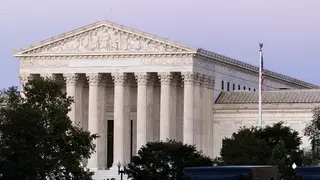
The Supreme Court declined to review several prominent disputes from its conference, including a free speech case involving students wearing political sweatshirts, Second Amendment claims by convicted felons, and COVID-19 vaccine mandate disputes. The justices also remanded a case concerning Venezuelan and Haitian immigrants' participation in a protected status program and requested the Trump administration's position on banking disputes involving escrow account interest requirements. The rejections mean lower court rulings on these contentious issues will remain in effect without Supreme Court intervention.
The Supreme Court's decision came during the justices' initial conference of the 2026-27 term, when hundreds of petitions accumulated over the summer recess receive consideration. The "Let's Go Brandon" case originated in 2022 when two Michigan middle school students wore clothing bearing the phrase, a political euphemism, to class. After school officials required removal of the garments, the students pursued legal action claiming First Amendment violations. Lower courts upheld the school's authority, with an appellate judge reasoning that vulgar expression—regardless of political undertones—lacks constitutional protection in educational settings, citing precedent from a 1986 case involving student speech restrictions.
The justices also declined cases addressing Second Amendment protections for individuals with felony convictions and multiple disputes concerning employer vaccine mandates from the COVID-19 pandemic. Additionally, the Court remanded an immigration case involving temporary protected status determinations and requested the Trump administration's position on state banking regulations related to escrow account interest payments.
The Court's refusal to intervene may leave significant questions unresolved across multiple policy domains. Students and free speech advocates could face continued limitations on political expression in schools under varied state standards. Individuals with criminal records might encounter sustained barriers to gun ownership rights. The banking cases could affect how states regulate consumer protections around mortgage escrow funds. Immigration practitioners and advocates may experience continued uncertainty regarding eligibility determinations for vulnerable populations seeking temporary U.S. residence. These decisions collectively allow lower court interpretations to persist without uniform national guidance.