Kosovo Lawmakers Advance Legislation to Limit War Crimes Court Sentencing Powers
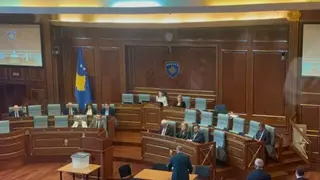
Kosovo's parliament voted in first reading to amend the law governing the Hague-based Specialist Chambers, capping maximum prison sentences at 15 years, following the September conviction of four former Kosovo Liberation Army leaders to sentences of up to 25 years. The amendments also would require sentences to be served in Kosovo and grant the president pardoning authority, addressing claims that the court failed to apply retrospective sentencing principles. The changes require parliamentary committee review and a second reading to become law.
Kosovo's parliament initiated a significant legal revision targeting the Specialist Chambers, a hybrid tribunal based in The Hague that investigates alleged wartime abuses by Kosovo Liberation Army members. The court was established in 2015 by Western-backed initiative due to concerns about potential witness intimidation if trials occurred domestically. The legal amendment proposes narrowing the court's investigative scope to exclude the period before July 1999, effectively exempting actions from the earlier conflict phase.
The proposed changes address concerns about sentencing principles applied in the September convictions. Supporters argue the court should have applied the "lex mitior" principle, which allows sentences based on the most lenient law applicable when crimes occurred. Under former Yugoslav law, maximum imprisonment was capped at 15 years, substantially lower than the 25-year sentences handed to two former leaders.
The amendments could significantly impact international accountability mechanisms and Kosovo's judicial independence. The changes may weaken the hybrid tribunal's investigative capacity and alter transitional justice outcomes affecting victims and survivors seeking accountability. Conversely, supporters may view the modifications as correcting procedural inequities. The legislation's passage could influence how Kosovo balances domestic sovereignty concerns with international legal obligations and may set precedent for other post-conflict societies navigating similar tensions between local governance and external judicial oversight.