Nobel Prize Optogenetics Breakthrough Yields Promising Clinical Applications for Neurological Conditions
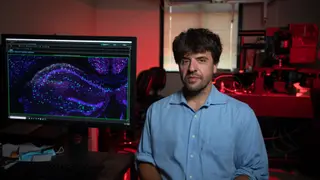
Optogenetics, a Nobel Prize-winning technique, has become instrumental in understanding brain function and has spawned experimental therapies for vision loss and neurodegenerative disease. Researchers are leveraging the technology to develop new treatment approaches targeting previously difficult-to-address conditions. The field represents a convergence of neuroscience and clinical medicine with significant therapeutic potential.
Optogenetics represents a transformative intersection of light-based technology and genetic engineering applied to neural tissue. This approach allows researchers to activate or deactivate specific brain cells with precision, fundamentally advancing our comprehension of how neural circuits operate and malfunction. The technique earned recognition at the highest scientific level, validating its significance within the research community.
The transition from basic research to medical application is now underway, with investigators exploring how optogenetic principles could address conditions affecting vision and progressive neurological decline. These early-stage therapeutic efforts aim to tackle diseases that have historically resisted conventional treatment strategies, potentially opening pathways for patients with limited options.
If optogenetic therapies progress toward clinical availability, they could significantly impact patients living with vision impairment and neurodegenerative diseases, potentially improving quality of life and slowing disease progression. Healthcare systems and pharmaceutical development may shift resources toward this precision-based approach. Success could reshape how medical researchers approach previously intractable neurological conditions, though substantial clinical validation work remains before widespread therapeutic use becomes feasible.