India's Distribution Companies Report First Profitable Year Amid Deeper Financial Challenges
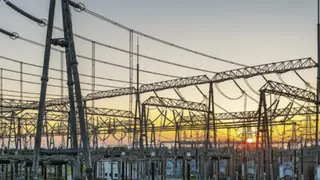
Indian electricity distribution utilities achieved positive aggregate profits for the first time in FY 2025, with the cost-revenue gap narrowing significantly and payment cycles improving. Despite these gains, discoms continue to carry accumulated losses of Rs 6.47 trillion and face persistent debt servicing challenges that repeated government bailouts have failed to resolve. Experts suggest that privatization, debt restructuring, and improved capital market access may be necessary longer-term solutions to address the sector's underlying financial distress.
India's electricity distribution sector has recorded its first year of aggregate profitability in FY 2025, marking a turning point after years of cumulative losses. The improvement stems from narrowed gaps between supply costs and revenues—dropping from 51 paise to just 6 paise per kilowatt-hour—alongside faster payment processing. Several states led this turnaround: Punjab's profits exceeded 62 billion rupees, while Gujarat and Bihar also showed strong results through their respective utility operators.
Yet this headline achievement masks severe underlying problems. The sector carries accumulated deficits of 6.47 trillion rupees, equivalent to roughly 2 percent of India's annual economic output. Outstanding debt reached 7.26 trillion rupees by early 2025, with Tamil Nadu, Rajasthan, and Maharashtra bearing the heaviest burdens. State governments have repeatedly injected funds through bailout packages over the past decade, while state-backed lenders have absorbed legacy debts through restructuring rather than actual resolution.
The sector's financial trajectory affects millions of Indian households and businesses reliant on electricity supply, as well as energy workers and government budgets. Continued reliance on state bailouts diverts public resources from other development priorities. If structural reforms—including possible privatization, debt forgiveness, or capital market reforms—prove insufficient, consumers may face higher tariffs or service instability, while governments confront difficult fiscal choices about sustaining the power system without compromising infrastructure investment elsewhere.