macOS Update Reveals Touch Interface Development for Potential OLED MacBook
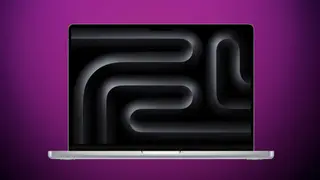
Apple's macOS Golden Gate 27.2 beta contains newly implemented touch gesture recognition code across multiple applications, suggesting preparation for a touchscreen-equipped Mac laptop. The update adds specialized gesture handlers to Safari, Photos, Notes, and other apps, though the functionality could also serve the existing iPad Sidecar feature. Apple is rumored to be developing an OLED MacBook Ultra with a touchscreen, Dynamic Island, and M5-series processors that could launch before the end of 2026.
Apple's latest macOS beta incorporates specialized code for recognizing touch-based user interactions across several built-in applications, marking another incremental step in the company's apparent exploration of touch technology for its computer lineup. The newly added gesture handlers enable features like extended press recognition and touch-based dragging, functionality that aligns with Apple's broader strategy of blending iPad and Mac experiences through its Sidecar connectivity feature, which already allows tablets to serve as secondary displays.
The potential MacBook Ultra represents a significant departure from Apple's traditional laptop design philosophy. Reports suggest the device would feature an OLED display panel—a technology shift offering improved color accuracy and contrast—alongside interactive elements like a Dynamic Island and next-generation M5-series processors, positioning it as a premium offering in the MacBook portfolio if released within the rumored timeframe.
A touchscreen-equipped MacBook could reshape how professionals and casual users interact with desktop-class software, potentially influencing industry standards for laptop design. Such a device may create new workflows that blur distinctions between tablets and laptops, while competitors might accelerate their own touch-enabled laptop initiatives. The shift could also raise questions about software optimization and accessibility, as developers would need to ensure applications function effectively with both traditional input methods and touch interfaces.