Red Bull's Latest Upgrade Delivers First Win, But Mercedes Remains Competitive Standard
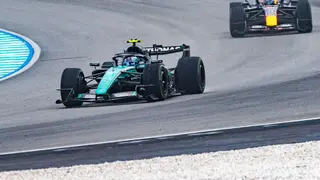
Red Bull achieved its inaugural victory of the 2026 Formula 1 season in Malaysia following a final performance upgrade introduced at Baku, with Max Verstappen claiming the checkered flag. However, team officials acknowledged that consistently matching Mercedes' pace across all venues remains a significant challenge. The upgrade represents progress but the gap to the championship-leading team suggests a lengthy development battle ahead.
Red Bull's performance upgrade, first deployed during the Baku Grand Prix, culminated in a maiden victory for the team at Malaysia's race. This breakthrough result provided evidence that the development direction was yielding tangible improvements in competitive standing. Nevertheless, team leadership cautioned that achieving consistent performance parity with Mercedes across different circuits represents an unresolved challenge requiring sustained engineering effort.
The victory marks a milestone in the 2026 season's development cycle, yet the persistent performance gap to the championship leader indicates a protracted competitive struggle lies ahead. Mercedes' demonstrated consistency across multiple venues underscores the comprehensive nature of the challenge Red Bull faces in narrowing the technical and operational divide.
Formula 1's technological arms race affects stakeholders ranging from manufacturers investing heavily in racing programs to global audiences following the sport's competition narrative. Red Bull's progress signals that competitive balance remains fluid, which may influence team sponsorships, fan engagement patterns, and manufacturer commitment levels. The team's acknowledgment of Mercedes' sustained advantage could shape investment decisions and talent recruitment strategies across the motorsport ecosystem, potentially affecting related automotive industries and technology sectors pursuing F1-derived innovations.