Scientology Organization Acquires Historic Vancouver Office Building for $18 Million
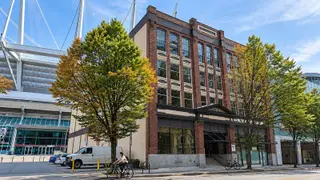
The Church of Scientology of British Columbia purchased a 112-year-old heritage building in downtown Vancouver for $18 million, acquiring the 47,000-square-foot property at 780 Beatty Street from Petrina Enterprises. The organization plans to convert the four-storey structure into a new regional headquarters featuring religious facilities, a public information centre, and community event spaces while preserving the building's 1914 architectural character. The transaction marks the Church's relocation from its current location on West Hastings Street, where it has maintained a presence since 1980.
The 47,000-square-foot property at 780 Beatty Street represents a significant heritage preservation effort within Vancouver's rapidly evolving downtown core. Built in 1914, the structure has maintained its commercial utility through decades of neighbourhood transformation, most recently situated near major entertainment and residential developments including BC Place and Rogers Arena. The Church's acquisition marks a substantial capital commitment to real estate in the region.
The organization's transition from its 46-year tenure on West Hastings Street signals an intentional shift toward a larger, more comprehensive facility. The planned conversion will consolidate multiple functions—religious services, administrative operations, public engagement, and community programming—under a single restored heritage structure, representing a consolidation strategy common among organizations seeking enhanced operational efficiency and community visibility.
This transaction may influence Vancouver's heritage preservation patterns by demonstrating market viability for converting older commercial buildings into specialized institutional use. The $18 million investment could potentially set precedent for similar adaptive reuse projects in the downtown core, which may affect property valuations and development decisions for comparable heritage structures. The project's success in balancing preservation requirements with modern functional needs could shape how other organizations and developers approach heritage properties in economically active urban districts.