States Set Varied Rules for Mail-In Voting as November Election Nears
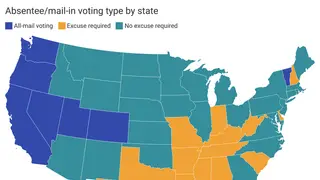
States maintain diverse regulations governing absentee and mail-in voting, with 13 states requiring voters to provide excuses and 29 states now allowing no-excuse absentee voting following Connecticut's recent change. Ballot return deadlines vary significantly across jurisdictions, ranging from Election Day receipt requirements in 34 states to extended post-election windows in 15 states, with some states like Kansas currently operating under court orders that modify their deadlines. Officials nationwide are beginning to distribute mail-in ballots ahead of the November 3 election.
The nation's patchwork approach to mail voting reflects ongoing disagreements over ballot access and election security. Connecticut's recent legislative shift to no-excuse absentee voting represents a broader trend, as nearly three-fifths of states now permit any eligible voter to request a mail ballot. However, significant variation persists in how states handle ballot receipt and verification. Most states require mail ballots to arrive by Election Day itself, creating potential complications for postal delays, while a smaller group extends deadlines into the post-election period to accommodate late-arriving mail.
Election officials have implemented safeguards including signature verification and ballot curing procedures to address potential issues before ballots are rejected. Thirty-five states now offer voters the opportunity to remedy problems like missing or mismatched signatures, though the timing of these correction windows varies considerably. Some states allow fixes after Election Day, while others require immediate action, and a handful of states maintain no curing process at all.
These varying regulations could significantly affect voter participation rates and election administration outcomes. Voters in states with stricter deadlines and limited curing options may face ballot rejection without opportunity for remedy, potentially disenfranchising eligible citizens. Conversely, election officials in jurisdictions with extended windows and robust curing procedures may experience increased administrative burdens and delayed result certification. The patchwork system may create confusion for voters and poll workers, particularly those near state borders, and could influence how quickly election results are finalized nationwide.