Euro weakens to 17-month low as French fiscal worries mount
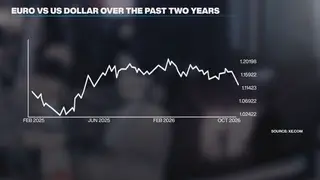
The euro declined to its lowest level in 17 months against the dollar, driven by market concerns about France's public debt sustainability and fiscal management. The currency has fallen approximately 7 percent since reaching its peak in late January. Global oil prices meanwhile decreased despite regional tensions in the Arabian Peninsula, following a G7 agreement to release strategic petroleum reserves.
The euro's decline reflects investor anxiety over France's capacity to manage its debt obligations and fiscal trajectory. Since peaking in January 2026, the currency has experienced sustained weakness, indicating broader market skepticism about eurozone stability. France's fiscal challenges have become a focal point for currency traders assessing the health of Europe's second-largest economy.
Energy markets showed resilience despite geopolitical tensions in the Arabian Peninsula. The G7's coordinated decision to release 100 million barrels from strategic reserves, combined with restored oil flows through the Persian Gulf, helped stabilize global crude prices downward. This supply management demonstrates efforts to insulate energy markets from regional instability.
Currency weakness could affect European exporters' competitiveness while potentially raising import costs for consumers. France's fiscal concerns may influence broader eurozone policy, as markets reassess investment risks across the region. Businesses and savers exposed to euro-denominated assets may face volatility. Additionally, energy price stability could provide relief to households and industries dependent on oil, though currency fluctuations remain an offsetting concern for European economies managing inflation pressures.