Norway Moves to Ban AI Smart Glasses in Public Spaces Over Privacy Concerns
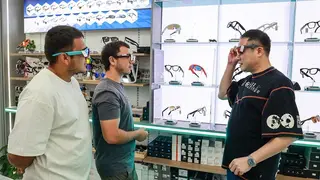
Norway's government is proposing temporary restrictions on AI-enabled smart glasses in public venues such as beaches, parks, museums, and shopping centers due to privacy concerns. Officials worry that the technology, which can be equipped with cameras and microphones, could allow people to record others without consent in settings where privacy is typically expected. The government plans to introduce legislation to parliament soon, though officials are still determining which specific devices and locations would be covered by the ban.
Norway's proposal addresses a fundamental tension between technological innovation and personal privacy rights in shared environments. The government's cautious approach reflects uncertainty about implementation details—officials have not yet finalized which specific device types would face restrictions or identified all affected locations. This measured stance contrasts with a complete prohibition, allowing private use while protecting people in social settings where recording expectations differ from surveillance-prone environments.
The timing reflects broader regulatory debates across democracies. California's recent legislative experience illustrates challenges policymakers face in defining appropriate restrictions. Governor Newsom's veto cited overly broad language in California's failed bill, suggesting that effective regulation requires precise device definitions and location specifications—precisely the work Norway's government is undertaking before parliamentary consideration.
This proposal could significantly affect technology manufacturers, privacy advocates, and ordinary travelers differently. Companies may face market fragmentation if multiple jurisdictions impose conflicting restrictions. Tourists and residents might experience altered freedoms in public spaces, though supporters argue protection from non-consensual recording outweighs minor inconveniences. Privacy-focused individuals may welcome the measures, while technology enthusiasts might view restrictions as impediments to innovation. The legislative outcome may influence other nations considering similar protections.