Discovering the Wineries and Farm Cuisine of British Columbia's Interior Valleys
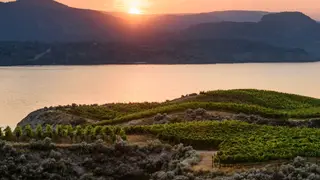
British Columbia's Okanagan and Similkameen valleys offer visitors over 200 wineries with diverse grape varieties, welcoming tasting experiences, and scenic vineyard landscapes shaped by glacial lakes and volcanic soils. The region pairs exceptional wine production with a thriving farm-to-table dining culture, highlighted by Kelowna's designation as Canada's first UNESCO Creative City of Gastronomy. Beyond food and drink, the area provides outdoor activities including bike trails, spas, and opportunities to experience Indigenous culture within the same picturesque landscape.
The region's success in wine production stems from its distinctive natural advantages. The presence of glacial lakes creates a moderating effect on temperatures, while the combination of volcanic soils and desert conditions—particularly in the Osoyoos area, Canada's only true desert pocket—concentrates flavors in the grapes. This geological foundation supports cultivation of over 60 grape varieties, enabling producers to create diverse wine styles from bold reds to crisp whites.
The dining culture has developed in tandem with agricultural heritage. Kelowna's UNESCO designation recognizes how thoroughly food production and consumption are woven into local identity. Seasonal activities like autumn harvests bring communities together through farmers' markets, pick-your-own orchards, and long-table dining events that celebrate the same ingredients shaping the region's wines.
This story may influence travel patterns toward agritourism destinations that combine culinary experiences with outdoor recreation. Visitors seeking wellness and authentic food experiences could redirect tourism spending to regions emphasizing local production and environmental stewardship. The narrative may also encourage other communities to develop similar farm-to-table economies and seek UNESCO recognition, potentially reshaping regional development priorities toward sustainable agriculture and experiential tourism rather than conventional hospitality infrastructure.