School Districts Implement Safety Measures to Reduce Pedestrian Deaths During Student Commutes
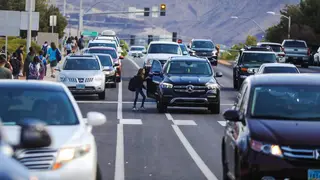
An Education Week analysis of federal data found that 134 school-age children were killed while walking to school during weekday school hours in 2024, with deaths concentrated during early morning and evening commute times. Researchers emphasize that pedestrian safety for children is complex, requiring judgment of multiple variables simultaneously, and note that while fatalities have declined from a 2016 peak, the rate may actually be increasing as fewer students walk overall. Cities like New York are responding with policy interventions including street closures near schools, reduced-speed zones, and safety education programs.
Child pedestrian fatalities remain a persistent challenge for American schools, with 134 deaths recorded during school commute times in 2024. Researchers attribute these incidents partly to developmental factors—young pedestrians must simultaneously assess vehicle distance, speed, and direction across multiple lanes. The timing of these deaths reveals a pattern concentrated around sunrise and sunset hours, periods when visibility diminishes and traffic volumes peak, creating compounded hazards for students traveling independently.
The apparent decline in fatalities since 2016 may mask an underlying risk increase, as fewer children walk to school overall. This shift in transportation patterns means that students who do walk face proportionally greater danger. Experts point to road infrastructure as a critical factor; suburban school zones often feature street designs accommodating higher speeds, where signs alone prove insufficient to slow traffic. Urban interventions like speed limit reductions and temporary street closures represent emerging approaches to address this infrastructure gap.
These safety measures could significantly affect school attendance patterns and family transportation decisions, particularly in lower-income communities where walking remains common. Implementation of such policies may require substantial municipal resources and coordination between education and transportation departments. Success could influence broader urban planning debates about balancing vehicle access with pedestrian protection, potentially shaping infrastructure investment priorities across school districts nationwide.