Cooking Curriculum Builds Life Skills and Confidence in Students With Disabilities
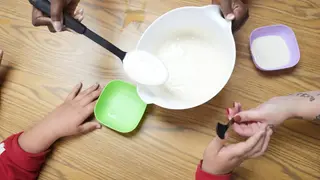
An Indianapolis special education classroom incorporates cooking activities into biweekly lessons designed to teach elementary students with disabilities practical kitchen skills, emotional regulation, and mathematical concepts like counting and measuring. The program, called FUNctional Fridays, carefully selects recipes using accessible ingredients and simple techniques that students can manage independently, such as using microwaves and air fryers rather than sharp knives or stovetops. School administrators report that the hands-on cooking environment provides students who struggle in traditional settings with opportunities to build confidence and develop real-world independence skills for adulthood.
The FUNctional Fridays program operates within a special education classroom at an Indianapolis elementary school, serving students in kindergarten through 2nd grade who have disabilities. Teacher Gabrielle Carpenter designs biweekly cooking sessions using accessible methods and affordable ingredients—often sourced from discount retailers—that students can safely operate independently. The curriculum integrates multiple learning domains simultaneously, incorporating mathematical practice through measurement and counting, motor skill development, and behavioral instruction through real-time problem-solving during preparation.
Beyond academic content, the program deliberately uses cooking as a vehicle for building emotional resilience. When students encounter mistakes or experience frustration while waiting for turns, the classroom environment becomes an opportunity to practice emotional regulation techniques. School leadership reports observable confidence gains, with students displaying increased self-assurance in their daily school interactions and taking visible pride in their creations.
This initiative may illustrate how inclusive education approaches can benefit students with disabilities by embedding skill-building into engaging, real-world contexts rather than isolated drills. Outcomes could extend beyond the classroom if students apply cooking competencies at home and develop greater autonomy in self-care activities. However, the program's scalability and sustainability depend on factors like teacher capacity, funding for materials, and systemic support—elements that vary widely across school districts and could affect whether similar models spread or remain isolated interventions.