Telos Alliance Launches New Hardware Codec for Remote Broadcasting and Studio Operations
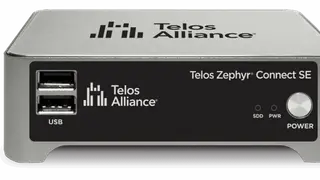
Telos Alliance has begun shipping the Zephyr Connect SE, a fanless hardware codec platform designed for broadcast facilities of various sizes. The device supports up to eight bidirectional stereo codecs and integrates with existing Telos infrastructure for studio-to-transmitter links, network distribution, and streaming applications. The compact, silent design targets remote transmitter sites and control rooms requiring enterprise-grade reliability.
The Zephyr Connect SE represents an expansion of Telos Alliance's codec offerings alongside existing products like the iPort High Density gateway and virtual codec platform. The device ships with two stereo codecs standard but can be upgraded to support eight bidirectional channels through additional licensing, making it scalable for different facility sizes and budgets. Its compatibility with Livewire+ networking standards and support for multiple stream types—including UDP and multicast protocols—allows seamless integration into existing broadcast infrastructure.
The fanless design addresses a specific operational challenge in broadcast environments: eliminating mechanical noise in control rooms and remote transmission facilities where audio quality and silence are critical. Beyond traditional studio-to-transmitter applications, the platform accommodates emerging use cases like network-based remote studio links and streaming encoder functions, positioning it as a multipurpose tool in modernizing broadcast facility infrastructure.
The Zephyr Connect SE's release may impact mid-sized and smaller broadcast stations by lowering barriers to enterprise-grade codec technology previously accessible mainly to larger operations. Its flexibility could allow regional broadcasters and remote facilities to upgrade transmission capabilities without extensive infrastructure overhauls. However, the actual market penetration would depend on pricing, adoption rates among existing Telos customers, and whether competing solutions address similar operational needs at comparable cost levels.