Housatonic Launches Structured Plan to Maintain Community Infrastructure
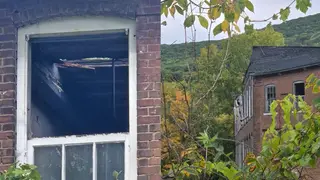
The Housatonic Improvement Committee unveiled a Capital Improvement Pipeline that categorizes maintenance and development projects across one-, five-, and ten-year timeframes to address community needs proactively. The framework aims to monitor structural conditions, identify obstacles to preservation, and intervene before facilities deteriorate into emergency situations. Examples include assessing the Monument Mills Water Tower's status and condition to ensure its preservation through strategic planning and potential grant funding.
The Housatonic Improvement Committee's framework represents a shift toward preventative asset management at the municipal level. By categorizing projects across three distinct planning horizons, the town aims to transform resident feedback into concrete priorities rather than allowing community concerns to fade without action. The approach requires coordination between town governance, budget allocation, and external funding sources—elements that Parker identifies as necessary prerequisites for implementation.
The Monument Mills Water Tower exemplifies how the pipeline operates in practice. Rather than addressing structural failure after it occurs, the committee proposes investigating current ownership, historical designations, and preservation grant eligibility now, allowing time for strategic decision-making over five to ten years. This proactive methodology could reduce emergency response costs while maintaining community assets that hold historical or cultural value.
The Capital Improvement Pipeline may benefit municipal efficiency and fiscal planning by identifying infrastructure needs before they become costly emergencies. Residents could gain greater transparency into local decision-making processes and have earlier opportunities to influence project priorities. However, the framework's effectiveness depends on sustained funding, staff capacity, and political commitment—factors that may fluctuate with budget cycles or leadership changes. Smaller communities like Housatonic could face particular challenges securing grant funding or attracting expertise needed for long-term preservation work.