Exploring Guadalajara's Modernist Architecture: From Barragán to Brutalism
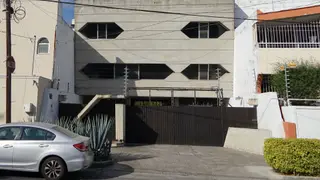
Guadalajara, the capital of Mexico's Jalisco State, developed a significant modernist architectural movement in the 20th century led by figures such as Louis Barragán and the Tapatía Architecture School, which merged international modernist principles with local vernacular traditions. The city features notable examples of brutalist and modernist design that demonstrate the regional evolution of the International Style and continue to influence contemporary Mexican architects. The architectural legacy of Guadalajara remains underrecognized compared to other modernist centers but represents a crucial chapter in the development of 20th-century Mexican design.
During the early decades of the twentieth century, Guadalajara emerged as an important center for architectural experimentation in Mexico. The Tapatía Architecture School represented a distinctive approach that distinguished itself by intentionally weaving together contemporary design movements with the regional building traditions and aesthetic heritage of Jalisco. This synthesis proved particularly influential, as the school's founding members moved beyond purely importing European modernist concepts.
Luis Barragán's residential work in the Colonia Americana neighborhood showcased his evolving design philosophy during his formative years in the city. His early projects incorporated colonial architectural vocabulary and decorative elements from the Art Deco movement, emphasizing material simplicity contrasted against vibrant wall surfaces rendered in warm earth tones. By the mid-1930s, his approach had shifted markedly toward the minimalist and functionalist sensibilities that would eventually define his international reputation.
Recognition of Guadalajara's modernist heritage may influence how design professionals and cultural institutions prioritize architectural preservation and documentation across Mexico. Increased awareness could reshape tourism patterns in the region and affect property development decisions surrounding historically significant buildings. Additionally, understanding this underrecognized architectural movement may encourage emerging Mexican architects to engage more deeply with their own regional design lineages, potentially strengthening connections between contemporary practice and mid-century modernist precedent.