New York Governor Declares Disaster Emergency as Measles Spreads Through Rural Communities
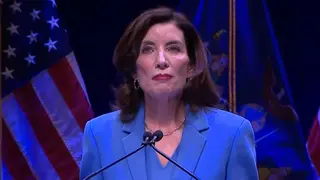
New York Governor Kathy Hochul declared a disaster emergency in response to a measles outbreak affecting rural areas of the state, with 108 confirmed cases reported through early October. The outbreak has primarily impacted under-immunized communities across 18 counties, with particularly high case numbers in Oswego, Seneca, and Steuben counties. New York City has experienced minimal impact with only seven confirmed cases so far this year.
The measles outbreak emerged prominently in mid-July, with the majority of the 108 total cases occurring in the subsequent months across a broad geographic area. The disease has concentrated in regions with lower vaccination rates, particularly affecting multiple counties in upstate New York. The contrast between rural and urban impact is notable: the five boroughs have seen relatively few cases this year despite higher numbers in the previous year, suggesting the outbreak's geographic specificity to less densely populated areas.
The emergency declaration may prompt increased public health efforts including vaccination campaigns and disease surveillance in affected rural regions. Communities with lower immunization rates could face disruptions to schools and services if cases continue to rise, while healthcare systems in smaller counties may experience resource constraints. The outbreak's potential spread to neighboring areas remains a concern for state health officials, particularly as measles is highly contagious and preventable through vaccination.