Norwegian University Student Killed in Fall Down Abandoned Mine During Cabin Trip
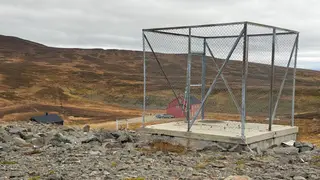
A student from the Norwegian University of Science and Technology died after falling approximately 14 meters down an abandoned mine shaft during a recreational cabin trip in Holtålen municipality. Local police are investigating potential causes including toxic gas accumulation, oxygen deprivation, or icy conditions on the internal ladder access. Municipal officials are calling on the national government to assume financial responsibility for securing hundreds of historical mine shafts scattered across the region, citing inadequate local budgets.
The incident occurred during a weekend recreational outing when the student group accessed a secured mining site despite warning barriers. Authorities indicate the victim descended an internal ladder before losing his grip and falling to the shaft floor. Death may have resulted from the fall itself or from environmental hazards common in sealed underground spaces, such as accumulated gases or oxygen depletion, with forensic examination underway to determine the precise cause.
The accident underscores a broader infrastructure challenge facing rural Norwegian municipalities. Holtålen and similar regions contain numerous decommissioned mine shafts from historical industrial operations, and local governments argue they lack sufficient funding to adequately secure or remediate these sites. Municipal officials have sought central government intervention, contending that responsibility and resources should align with the state's historical role in mining operations and oversight.
This tragedy may prompt reassessment of liability frameworks and safety protocols governing abandoned industrial sites on public or accessible land. The incident could influence budgetary discussions between municipalities and national authorities regarding infrastructure remediation costs. Additionally, universities and outdoor recreation groups may face pressure to strengthen safety guidance for students engaging in recreational exploration, while families of the deceased and survivor support needs could underscore demand for improved crisis response frameworks in higher education institutions.