South Korea Fuel Shipments to Russia Undermine Western Sanctions Regime
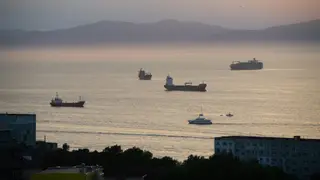
South Korean ports loaded over 176,000 tonnes of fuel, primarily diesel, onto sanctioned Russian tankers in July and August 2026, according to analysis of port and ship-tracking data. Seven Russian vessels, including three sanctioned by the UK and EU, made 14 voyages to South Korean ports before returning with fuel, while one transfer occurred via ship-to-ship exchange to avoid port detection. The transfers do not violate South Korean law, as Seoul's export controls against Russia currently exclude fuel products, focusing instead on electronics, machinery, and vehicles.
Russia's military logistics have grown increasingly strained as Ukraine's sustained campaign against oil refineries has crippled domestic fuel production. With over half of Russia's refining capacity now disabled, Moscow faces acute supply shortages that threaten to undermine its war effort. The fuel deliveries from South Korea represent a critical workaround, allowing Russian vessels to circumvent traditional supply chains through intermediary nations.
The shipments highlight a gap in South Korea's sanctions framework. While Seoul prohibits exports of electronics and machinery to Russia, fuel products remain unrestricted, creating a legal pathway for supplies to reach sanctioned tankers. This discrepancy between South Korean law and Western sanctions regimes raises questions about the comprehensiveness of coordinated international pressure on Russia's economy.
These fuel transfers could undermine the cumulative effect of Western sanctions designed to degrade Russia's military capacity. If other nations adopt similar loopholes in their export controls, Russia may sustain operations longer than anticipated. The findings may pressure South Korea to align its restrictions more closely with allied nations, potentially straining its economic relationships with Russian and Chinese partners while affecting global energy markets and the timeline of the conflict itself.