Xanadu Next Emerges as Hidden Gem for Steam Deck Players
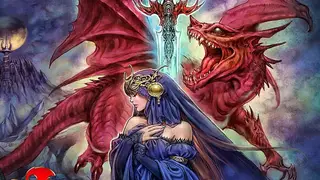
Xanadu Next, a classic action RPG by Nihon Falcom that originated on the Nokia N-Gage platform in 2005, offers an isometric Diablo-like experience with surprising charm and depth. The game features a meditative grinding loop combined with metroidvania-style exploration and puzzle-solving in a blocky, inviting world. Currently available on Steam with an English localization, the title proves particularly well-suited to handheld gaming on the Steam Deck.
Xanadu Next represents a remarkable journey across platforms and decades. Originally conceived for the Nokia N-Gage handheld in 2005, the title later received a PC release in Japan that reportedly addressed the mobile version's technical limitations. The 2016 English localization finally brought the game to Western audiences through Steam, where it has since gained recognition among enthusiasts as a standout entry in developer Nihon Falcom's catalog—a studio known for acclaimed franchises including Ys and Trails.
The game's design philosophy emphasizes exploration and incremental progression within an interconnected world. Players navigate outward from a central village hub, gradually unlocking new areas by solving environmental puzzles and purchasing progressively expensive keys. This structure combines meditative grinding mechanics with the interconnected world-design principles commonly associated with metroidvania games, creating an experience that proves particularly suited to handheld play.
Xanadu Next's discovery by Steam Deck players could introduce niche Japanese RPGs to audiences who might otherwise overlook region-locked or obscure titles. As handheld gaming expands beyond Nintendo platforms, stories highlighting lesser-known games performing well on devices like the Steam Deck may influence both player purchasing decisions and publisher localization strategies. The article's emphasis on community support and workarounds could also demonstrate how engaged gaming communities create accessibility solutions, potentially shaping how players approach technically imperfect ports.