Widely Used Glucosamine Supplement May Accelerate Cognitive Decline in Alzheimer's Disease
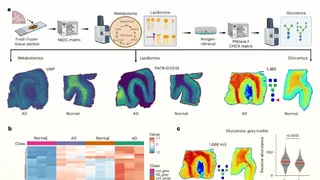
University of Florida researchers have discovered that glucosamine, a common over-the-counter supplement for joint pain, may worsen progression of Alzheimer's disease and related dementias by amplifying an abnormal sugar-tagging process in the brain. The study found that Alzheimer's brains exhibit elevated levels of complex sugar structures attached to proteins, a condition called hyperglycosylation, and that glucosamine supplementation intensifies this phenomenon and impairs memory in animal models. Reducing the production of these sugar chains through genetic or pharmaceutical approaches improved cognitive outcomes in mice, suggesting the sugar-tagging process contributes to disease progression rather than protecting against it.
The research identifies a specific biochemical mechanism underlying Alzheimer's progression: an overactive system that attaches sugar chains to brain proteins. Scientists discovered this hyperglycosylation occurs at elevated levels in diseased brain tissue and worsens as the disease advances. When researchers experimentally reduced this sugar-tagging process in mouse models—either through genetic modification or pharmaceutical intervention—cognitive function improved, suggesting the mechanism directly contributes to memory loss rather than serving a protective function.
The human health records analysis provided observational support for the animal findings. Among dementia patients taking glucosamine for extended periods, mortality risk increased substantially, while those with mild cognitive impairment showed higher progression rates to full dementia. However, researchers emphasized these correlations don't establish causation, and glucosamine had no detrimental effects in healthy mice, indicating the supplement may pose risk primarily to those already experiencing neurological decline.
The findings could significantly impact millions of seniors, as glucosamine remains a popular over-the-counter remedy for joint pain. If validated in human trials, the results might necessitate updated medical guidance for Alzheimer's patients and those with cognitive impairment, potentially restricting a supplement many currently use without medical supervision. Conversely, the discovery that metabolic dysfunction drives disease progression could redirect research funding and drug development toward novel therapeutic targets, offering hope for interventions addressing this previously underexplored pathway.