China pushes deeper extraction technology to strengthen domestic oil reserves
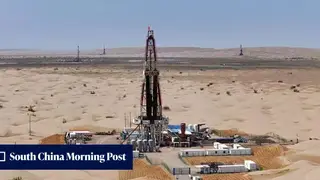
China is intensifying its development of ultra-deep oil and gas resources to address global energy uncertainties and bolster domestic supply. PetroChina's Hade-Fuman oilfield in Xinjiang has successfully extracted over 26 million tonnes of oil equivalent from underground depths exceeding 6,000 meters, demonstrating advances in drilling technology. These efforts aim to significantly increase domestic energy production by 2030.
China is pursuing extraction of oil and gas reserves from extreme depths as a strategic response to unpredictable global energy markets. The Hade-Fuman complex in Xinjiang's Taklamakan Desert represents a significant technical achievement, with the Fuman field alone containing estimated reserves exceeding one billion tonnes. PetroChina identified these deposits in 2021 after developing improved geological analysis and exploration capabilities suited to complex underground formations.
Ultra-deep extraction presents substantial technical hurdles due to the severe pressure and temperature conditions at such depths. The company's success in recovering over 26 million tonnes of oil equivalent demonstrates progress in drilling technology and operational capacity. These developments support China's broader objective to substantially raise domestic energy output within the next several years, reducing dependence on international energy markets.
Expanding domestic oil production could strengthen China's energy independence and reduce vulnerability to global supply disruptions or price volatility. Energy-intensive industries and consumers may benefit from potentially more stable domestic supply chains. However, ultra-deep extraction involves significant capital investment and environmental considerations. The initiative's success may influence China's energy policy trajectory and its role in global oil markets, potentially affecting international energy prices and geopolitical dynamics around resource competition.