Protecting Your Foldable Phone: Key Care Tips to Prevent Damage
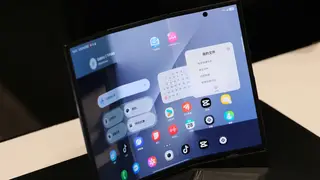
Foldable phones require special handling due to their unique internal screens and moving components, with the most common damage occurring when users close the device on foreign objects like keys or coins. The inner display is significantly more delicate than standard phone glass and should not be pressed firmly or cleaned with fingernails, and users should avoid peeling off factory protective films or installing incompatible screen protectors. Different foldable models offer varying levels of protection; for example, Samsung's Galaxy Z Fold8 has an IP48 rating while the iPhone Duo has an IP68, affecting how much dirt and debris they can resist.
Foldable phones present distinct maintenance challenges compared to conventional devices because their internal screens must bend repeatedly and are constructed from more vulnerable materials. The durability of these screens varies by manufacturer—some models achieve higher dust and debris resistance ratings than others, which influences how well they withstand environmental contaminants like sand or dirt particles that accumulate during normal use.
Manufacturers conduct fold-cycle testing to estimate device longevity, typically subjecting hinges and screens to between 200,000 and 500,000 repetitions in laboratory conditions. However, real-world performance may differ significantly from controlled testing environments, and water resistance certifications can degrade over time as moving components experience wear.
As foldable technology becomes more mainstream, users' understanding of proper care practices could significantly affect device longevity and warranty claims. Better-informed consumers may experience fewer costly repairs, while manufacturers might face increased warranty disputes if durability claims underperform in actual use. Public education about handling requirements could reshape user expectations and influence purchasing decisions in the foldable market.