Michael Mann's Miami Vice Director's Cut Reframes Story With Altered Ending
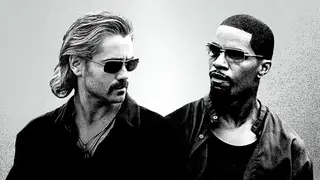
Michael Mann's Miami Vice: The Director's Final Cut premiered at Beyond Fest with a reordered ending that provides a darker interpretation than previous theatrical and unrated versions. At a post-premiere Q&A, Mann discussed the true-crime origins that inspired his 2006 adaptation of the iconic television series. The new cut will be released on 4K UHD and Blu-ray on December 15, offering viewers significantly different context for the film's narrative.
Michael Mann's 2006 film adaptation of the Miami Vice television series has maintained a divisive reputation among audiences since its theatrical release. The production faced significant challenges during filming in the Dominican Republic, including Jamie Foxx's departure mid-shoot, which forced Mann to substantially revise his original ending plans. This production turmoil resulted in the theatrical and subsequent unrated versions concluding with Crockett returning to police headquarters, providing narrative closure that positioned his loyalties clearly with law enforcement despite his personal compromises.
The newly released Director's Final Cut removes this hospital epilogue entirely, instead ending ambiguously with Crockett and Isabella parting ways. By eliminating the return to institutional order and removing Phil Collins' "In the Air Tonight" from the soundtrack, Mann reshapes the film's thematic trajectory. This structural revision invites viewers to reconsider Crockett's moral choices and his potential future trajectory, fundamentally altering the story's philosophical questions about duty versus personal connection.
The release of alternate director's cuts can influence how audiences retrospectively interpret acclaimed films and may spark renewed critical discussion about an artist's original intentions versus commercial pressures. For film enthusiasts and scholars, Mann's reimagined ending could reshape academic and popular discourse surrounding the Miami Vice adaptation's treatment of moral ambiguity and corruption. The home video release may also affect how the film is taught in film studies courses, potentially changing its perceived legacy within Mann's broader directorial body of work.