Targeting Brain's Waste Removal System May Help Combat Neurodegenerative Diseases
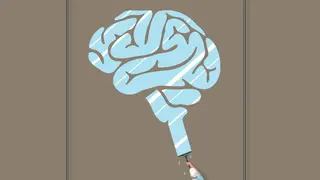
The glymphatic system, a recently discovered network in the brain that clears harmful proteins during sleep, is emerging as a potential target for treating Alzheimer's, Parkinson's, and other neurological conditions. Scientists are exploring multiple approaches to enhance this natural detoxification process, including pharmaceutical interventions, light therapy, breathing techniques, and sleep positioning. Researchers caution that the field remains in early stages with some methodological disputes, and more rigorous studies are needed to confirm whether boosting glymphatic function can actually prevent disease.
The glymphatic system remained unknown to science until 2012, when researchers discovered it functions fundamentally differently from the body's lymphatic network elsewhere. Rather than using dedicated vessels, the brain's waste-clearing mechanism relies on fluid moving alongside blood vessels through spaces bordered by specialized brain cells. This unexpected finding challenged longstanding assumptions about how the brain manages its metabolic byproducts, particularly given the organ's enormous energy consumption and corresponding waste generation.
Scientists are now investigating whether impaired glymphatic function contributes to neurological decline. Multiple experimental approaches are under exploration—from pharmaceutical treatments to environmental modifications like sleep position and breathing patterns—reflecting widespread scientific interest in this system's therapeutic potential. However, researchers emphasize the field remains preliminary, with significant questions still unanswered about measuring glymphatic health reliably and demonstrating that enhancing its function actually prevents disease.
If validated, glymphatic-targeted interventions could potentially reshape dementia prevention strategies affecting millions of aging individuals globally. The research may influence clinical practice, public health recommendations around sleep and lifestyle, and pharmaceutical development pipelines. However, current evidence remains limited, and overstated claims risk creating false hope among patients and their families. Sustained rigorous research is necessary before any therapeutic applications could responsibly transition from laboratory settings to widespread medical practice.