Bone Stimulation Triggers Healing Response in Traumatic Brain Injury
Mechanical compression of shin bones for several minutes daily significantly improved cognitive and motor function in mice and pigs recovering from traumatic brain injuries. The compression activates bone cells that sense physical force and release beneficial molecules that promote brain healing. This finding reveals a previously unrecognized communication pathway between the skeletal system and brain, potentially opening new therapeutic avenues for treating traumatic brain injuries, for which no effective pharmaceutical treatments currently exist.
Traumatic brain injury remains a significant public health challenge with limited treatment options. In England and Wales alone, over one million people seek emergency care annually for head injuries, with roughly 40,000 classified as traumatic brain injuries. Current medical approaches—including pharmaceutical interventions and physical rehabilitation—have proven insufficient at restoring lost brain function, leaving patients and clinicians searching for alternative therapeutic strategies.
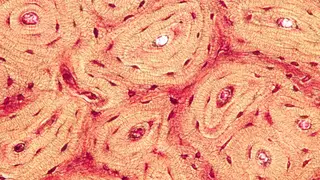
The research demonstrates a bidirectional communication system between skeletal and nervous systems. When mechanical pressure activates specialized bone cells called osteocytes, they release three key molecules into the bloodstream: BDNF supports neuron survival and growth, PF4 regulates inflammatory responses, and dopamine influences memory and motor control. This pathway suggests the body possesses an underutilized natural mechanism for supporting brain recovery.
If validated in human trials, this bone-stimulation approach could offer a non-pharmaceutical option for traumatic brain injury patients who currently lack effective medical treatments. The intervention's simplicity—requiring only minutes of daily mechanical compression—could make it accessible and scalable across diverse healthcare settings. However, translating findings from mice and pigs to humans requires careful clinical investigation. Success may reshape rehabilitation protocols for head injuries and potentially benefit millions of trauma patients worldwide.