Intel's 14th-Gen Processors Reach Historic Price Lows During Promotional Event
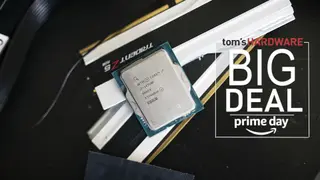
Intel's Raptor Lake Refresh 14th-generation processors are experiencing significant price reductions during Prime Big Deals Days, with some chips hitting all-time low prices after months of stagnant pricing. The platform remains relevant for gaming and general computing, supporting both DDR4 and DDR5 memory options, which provides flexibility for system builders. These chips continue to lead in gaming performance compared to Intel's newer Arrow Lake lineup, making them attractive for performance-focused buyers.
Intel's 14th-generation processors have struggled to attract buyers through competitive pricing for months, remaining available but rarely discounted. The current promotional period marks a significant shift, with flagship models reaching their lowest price points since launch. The platform's continued relevance stems from its memory flexibility—supporting both DDR4 and DDR5 configurations allows builders to upgrade incrementally without immediately adopting expensive new memory standards, though DDR4 setups sacrifice measurable gaming performance.
The Raptor Lake Refresh lineup maintains an advantage in gaming workloads despite Intel's newer Arrow Lake architecture offering superior performance in productivity applications. This performance split creates distinct use cases: gamers and entertainment-focused users may find stronger value in the older generation, while professional users and content creators benefit from newer processors. Intel has signaled long-term commitment to the platform's stability.
These price reductions may influence PC-building decisions for consumers considering hardware upgrades, potentially increasing sales volume for Intel's aging processor line. Market stabilization could benefit system builders by lowering entry costs to competitive gaming and general computing performance. However, the promotion's impact likely remains modest, as it primarily affects early-adopter enthusiasts rather than mainstream consumers, while broader semiconductor industry trends continue shifting toward newer architectures and manufacturing processes.