Cellular Adhesion Protein E-cadherin Also Enables Cells to Clear Dead Material
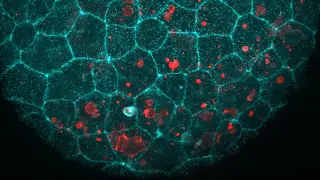
Scientists discovered that E-cadherin, the protein responsible for binding cells together in tissues, performs a dual function by assisting epithelial cells in engulfing dead cellular debris. Using live zebrafish and mouse embryos, researchers observed that cells reshape their lower surfaces to absorb cellular waste while maintaining the integrity of their upper surfaces and protective tissue barriers. This finding may help explain inflammatory responses and could offer insights into what occurs when cellular cleanup mechanisms fail.
E-cadherin operates as part of a multi-protein complex that maintains the structural integrity of epithelial tissues by linking adjacent cells together. Researchers identified this protein system at sites where dead cellular material contacts living tissue, suggesting the same molecular machinery serves dual purposes in cellular maintenance.
The mechanical challenge of cellular debris removal while preserving tissue barriers was resolved through differential cell behavior. Observations showed that epithelial cells can selectively deform their basal surfaces to engulf waste while their apical surfaces remain relatively stable, preserving the protective seal of tissue layers during the cleanup process.
This discovery could inform understanding of inflammatory diseases, since accumulated cellular debris contributes to chronic inflammation. If tissue cleanup mechanisms fail or become impaired, the resulting buildup of dead material may trigger or perpetuate inflammatory responses. Potential therapeutic applications might target these adhesion pathways to improve cellular waste removal, though such clinical advances would require substantial additional research and development before translation to human treatment.