Six RPGs That Surpass Cyberpunk 2077's Night City in Urban Design
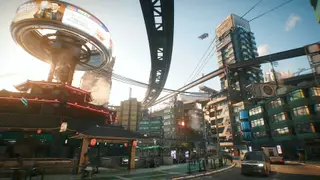
Despite Cyberpunk 2077's impressive scale and verticality, Night City falls short as a living urban environment compared to other open-world RPGs that offer more engaging city experiences. The article compares Night City's limitations—including sparse leisure activities, basic NPC behavior, and underutilized district space—against rival games that better balance exploration with interactive city life. Games like Assassin's Creed Origins demonstrate how ancient cities can be brought to life with richer detail and more rewarding player interaction.
Cyberpunk 2077's Night City was anticipated to set a new standard for urban open-world design, with expectations of dense interiors, numerous activities, and convincing NPC systems. While the final release delivered an architecturally ambitious and visually distinct cyberpunk metropolis with impressive verticality, it ultimately prioritizes narrative storytelling over creating a richly interactive environment. The game's cities function primarily as quest backdrops rather than living ecosystems with meaningful leisure options or detailed NPC routines.
The article identifies several rival titles that address Night City's shortcomings through different design philosophies. Assassin's Creed Origins demonstrates how historical authenticity and traversal freedom can create compelling urban spaces, while Fallout: New Vegas emphasizes player agency in shaping city power dynamics and NPC interactions. These games suggest that urban design excellence stems from prioritizing either historical detail, environmental exploration, or social systems rather than attempting all simultaneously.
This comparative analysis could influence player expectations for future open-world titles and shape industry discussions about urban environment design priorities. Gaming studios may reassess whether sprawling scale and visual fidelity justify compromising interactive depth and NPC behavior systems. The piece could affect consumer purchasing decisions by highlighting design trade-offs between narrative-focused games and those prioritizing emergent gameplay, potentially impacting how developers allocate resources when creating city-centric experiences.