Supreme Court Begins 2026-27 Term With Reduced Docket as Trump Cases Queue Up
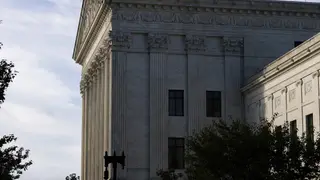
The U.S. Supreme Court opened its 2026-27 term with approximately half its eventual caseload, beginning with arguments over climate litigation while reserving slots for pending Trump administration cases. The justices have already agreed to hear cases involving detention of noncitizens, rapid deportations, and transgender service member bans, following a pattern from the previous term where the emergency docket favored the administration while the merits docket produced significant defeats. The court struck down Trump's tariff program, birthright citizenship order, and National Guard deployment in the 2025-26 term.
The 2026-27 term reflects a strategic approach by the Trump administration, which has reserved multiple emergency docket applications anticipating favorable rulings. The previous term established a clear pattern: the court moved quickly to support administration policies through expedited decisions, while more deliberative review of major initiatives produced significant reversals on tariffs, citizenship orders, and military deployment. This bifurcated outcome suggests the administration is now prioritizing cases where rapid judicial intervention serves its interests.
Beyond Trump-related litigation, the term addresses fundamental constitutional questions affecting millions of Americans. The calendar includes decisions on firearm regulations, voting eligibility verification, and religious institutional exemptions from anti-discrimination requirements. These cases will shape state policy options and federal election administration for years ahead.
The court's approach this term could significantly influence how much discretion the executive branch retains on immigration enforcement and border policy. A favorable ruling on noncitizen detention practices might establish precedent affecting thousands of individuals annually, while decisions on voter registration requirements could alter 2028 election administration across multiple states. Additionally, religious exemption rulings may reshape how states balance public funding with nondiscrimination principles, potentially affecting LGBTQ+ families' access to educational and social services. The outcomes may also influence public trust in judicial impartiality given the evident pattern favoring one political branch.