U.S. Marine Arrested in Okinawa Murder Case Tests Japan's Diplomatic Balance
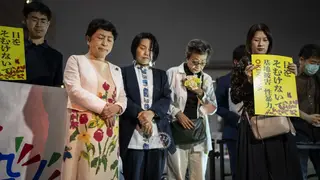
A 20-year-old U.S. Marine stationed at Futenma was arrested for the alleged murder of a Japanese woman in Naha, triggering diplomatic protests from Tokyo and renewed scrutiny of the American military presence in Okinawa. Under the U.S.-Japan Status of Forces Agreement, Japan retains jurisdiction over the case since the suspect was off-duty and off-base at the time of arrest. Prime Minister Sanae Takaichi, whose government has prioritized the U.S. alliance, called the killing a heinous crime while the Defense Ministry and Foreign Ministry lodged formal protests with American officials.
The U.S.-Japan Status of Forces Agreement has governed military conduct cases for decades, establishing that Japanese authorities maintain prosecutorial power when American service members commit alleged crimes while off-duty and away from base. This legal framework removes a significant potential friction point between the allies, yet the underlying tension remains unresolved. Okinawa has hosted American military installations since post-World War II occupation, with repeated violent incidents involving servicemen creating cyclical public backlash and diplomatic strain despite formal agreements intended to manage such crises.
The 1995 rape case generated unprecedented public mobilization and led to pledges for Futenma's closure, yet the base continues operating three decades later while its replacement facility at Henoko remains incomplete. Similar incidents in subsequent years have produced temporary disciplinary measures—curfews and alcohol restrictions—that observers note fail to address systemic concerns about the military presence itself.
This incident may test Prime Minister Takaichi's political positioning, as her government prioritizes the U.S. alliance amid regional security concerns while Okinawan citizens demonstrate sustained opposition to military installations. The case could influence public sentiment regarding American presence, potentially complicating defense cooperation discussions between Tokyo and Washington. Additionally, the outcome of prosecution and any ensuing diplomatic discussions may shape perceptions of whether SOFA adequately balances alliance maintenance with local grievances and justice considerations.