South Korea Declares North Korea Planted Mines in DMZ, Breaching Military Agreement
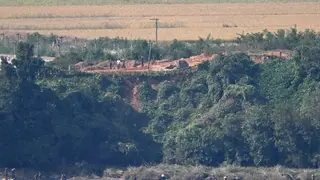
South Korea's military concluded that North Korea deliberately planted anti-personnel mines south of the Military Demarcation Line within the past year, determining they caused September explosions that wounded three soldiers during a routine operation. The finding, based on joint investigation with the United Nations Command and scientific evidence, represents a violation of the armistice agreement, prompting Seoul to conduct mine-clearing operations while demanding an apology. North Korea has denied the allegations and claims it never crossed into South Korean territory.
South Korea's military investigation identified the mines through multiple forensic methods. Engineers recovered an unexploded device matching North Korea's design specifications used since 1969, and fragments extracted from the three wounded soldiers matched metallurgical samples from a comparable mine found near the Imjin River. Positioning data showed all discovered ordnance sat approximately 10 meters south of the Military Demarcation Line, with spacing and burial depth consistent with deliberate placement rather than natural water transport during seasonal flooding—a phenomenon that has occurred previously in the DMZ's western sector.
The alleged mine-laying represents part of broader border fortification activities that have intensified since 2024. According to Seoul's military records, North Korean personnel have crossed the demarcation line more than 50 times this year alone during these construction operations. The United Nations Command, which oversees armistice compliance, formally classified the incident as a violation of the 1953 agreement's provisions prohibiting hostile acts and unauthorized boundary crossings.
This incident could affect regional military tensions and diplomatic channels between Seoul and Pyongyang. The mine injuries and subsequent investigation may influence South Korea's defense posture and operational procedures in the DMZ. Broader implications may include strain on armistice enforcement mechanisms and international oversight structures. The disagreement over the facts could complicate any future dialogue, though the incident's impact on civilian populations appears limited given the DMZ's restricted access and military-only operations in the area.