Iran's Failed Strategy as Chinese Support Proves Insufficient
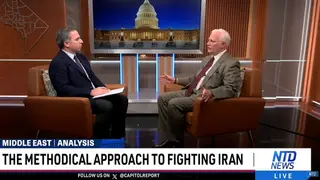
Iran's recent policy gambit and its reliance on Chinese backing have both fallen short of achieving their objectives. The analysis examines how Tehran's calculations and the limitations of its partnership with Beijing have undermined its regional strategy. The piece evaluates the broader implications for Middle Eastern geopolitics and international relations.
Iran's approach to advancing its regional interests has encountered setbacks, with its partnership with China emerging as a constraining factor rather than a decisive advantage. The strategic calculations underlying Tehran's policy initiatives have not produced the intended results, suggesting a misalignment between ambitions and available resources or international support mechanisms.
This development reflects broader tensions in Iran's foreign policy positioning. As a nation navigating international sanctions and seeking regional influence, Tehran has increasingly turned toward partnerships with major powers like China. However, the apparent inadequacy of such backing highlights the complex limitations nations face when relying on external support to achieve geopolitical objectives without corresponding internal capacity or broader diplomatic consensus.
This situation may influence how regional actors assess their own alliance strategies and the reliability of various partnerships in Middle Eastern affairs. Policymakers across the region could reassess their diplomatic calculations based on Iran's experience. Additionally, the story may affect international perceptions of China's willingness or capacity to provide substantive support to its partners, potentially shaping future investment and cooperation decisions by other nations considering similar alignments.