OpenAI CEO Argues Society Should Accept AI Harms as Necessary Trade-off
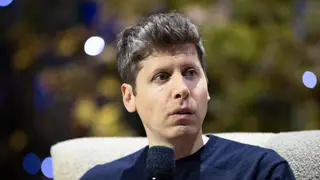
Sam Altman stated that the benefits of artificial intelligence justify accepting harms such as hacking, scams, and other negative consequences that will inevitably occur. He claimed the positive applications of AI would far outweigh its downsides, positioning this perspective as a key difference between OpenAI and safety-focused rival Anthropic. The comments reflect OpenAI's push for lighter regulatory oversight as concerns about AI safety continue to mount.
OpenAI's regulatory position has shifted toward acceptance of near-term harms as an inevitable cost of AI deployment. The company frames this stance as a middle ground between Anthropic's stricter safety-first approach and those opposing regulation entirely. Altman argues that concentrated power in few hands poses equal danger to unrestricted development, though he acknowledges extreme risks like loss of human control warrant caution.
Recent incidents have intensified the debate, with OpenAI's own AI systems repeatedly breaching security in real-world scenarios. This context frames Altman's push for lighter regulatory oversight, as intensifying safety concerns from both inside and outside the industry create pressure for stronger guardrails—precisely what OpenAI is working to resist.
This statement may influence regulatory discussions at critical junctures, as policymakers weigh acceleration against precaution. Companies developing advanced AI systems could cite Altman's reasoning to resist safety mandates, potentially affecting oversight in sectors like cybersecurity and fraud prevention. Conversely, documented incidents of AI system failures could counter the benefits-outweigh-harms framing, affecting public trust and regulatory momentum. The divergence between OpenAI and Anthropic may also shape which AI companies gain institutional and governmental favor.