Vaxcyte's pneumococcal vaccine meets trial targets, challenging Pfizer and Merck's market dominance
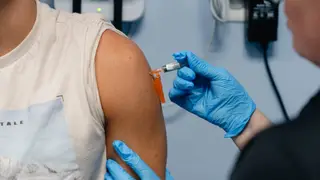
Vaxcyte reported positive Phase 3 trial results for its pneumococcal vaccine candidate, hitting all primary efficacy endpoints. The biotech company now positions itself as a competitor to established players Pfizer and Merck in the high-value pneumococcal immunization market. These results support the vaccine's pathway toward potential regulatory approval and commercialization.
Vaxcyte's achievement in pneumococcal vaccine development represents a significant milestone for the smaller biotech firm, as successful Phase 3 trials typically form a critical foundation for regulatory submissions. The company's ability to demonstrate efficacy across its primary trial endpoints strengthens its candidacy for approval, potentially opening a pathway to market entry within the coming years. This development occurs within the pneumococcal immunization sector, an established market where larger pharmaceutical manufacturers have maintained considerable presence and resources.
The positive trial results may influence competitive dynamics in vaccine development, where companies continue investing in improved formulations and broader protection profiles. Vaxcyte's entry as a credible contender could reshape how stakeholders—from healthcare providers to patients—evaluate available pneumococcal vaccination options, particularly if the vaccine offers distinctive advantages or addresses unmet clinical needs in immunization strategies.
Potential approval of Vaxcyte's pneumococcal vaccine could affect vaccination accessibility and treatment diversity within immunization programs. Healthcare systems and individual patients might gain additional options for pneumococcal protection, potentially influencing vaccination uptake patterns and public health strategies. Competition among manufacturers could encourage innovation in vaccine development and may influence pricing dynamics in this therapeutic segment, though the extent of such effects would depend on regulatory decisions, clinical adoption rates, and how the product performs in real-world conditions.