Exploring the potential and limitations of cancer vaccines across different tumor types
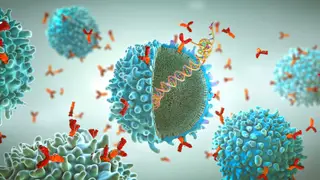
Researchers are investigating which cancer types may be vulnerable to vaccine-based approaches and which may require alternative therapeutic strategies. While vaccine technology has shown promise for certain cancers, the approach faces varying levels of efficacy depending on tumor characteristics and biology. The article examines current scientific understanding of cancer vaccines and their realistic applications.
Cancer vaccine research represents an emerging therapeutic frontier that differs fundamentally from traditional prevention-focused immunizations. Scientists are actively mapping which malignancies demonstrate susceptibility to vaccine-driven immune responses and identifying which cases necessitate different treatment modalities. The effectiveness of such approaches varies considerably based on tumor composition, genetic mutations, and how readily cancer cells evade immune detection.
This investigation underscores the broader challenge in oncology: no single treatment strategy addresses all cancer types uniformly. Understanding these distinctions helps researchers allocate resources strategically and develop personalized treatment pathways. The exploration of vaccine limitations alongside their potential represents a maturing scientific process of distinguishing genuine breakthroughs from promising-but-narrow applications.
If vaccine approaches prove effective for specific cancer types, patients with those diagnoses could gain access to less toxic treatment options alongside existing therapies. Healthcare systems may face decisions about resource allocation and integration of vaccines into treatment protocols. The realistic assessment of where vaccines succeed and fail could inform patient expectations and research funding priorities, potentially affecting treatment availability and costs across different cancer populations.