Solomon Islands PM Advocates for Nature-Based Climate Defense Over Infrastructure Spending
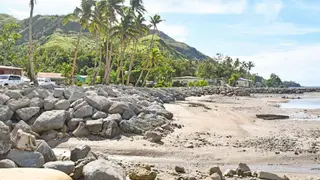
Solomon Islands Prime Minister Matthew Wale has advocated for redirecting climate funding toward natural coastal protection systems such as reefs and mangroves rather than concentrating resources solely on artificial seawall construction. He argues this approach offers more sustainable long-term resilience for Pacific communities.
The Solomon Islands faces mounting climate threats, particularly rising sea levels and coastal erosion that endanger island communities. Prime Minister Matthew Wale has proposed prioritizing ecosystem-based solutions—specifically protecting and restoring natural barriers like coral reefs and mangrove forests—as a climate adaptation strategy. This approach complements rather than replaces conventional defenses, potentially offering cost-effective protection while supporting marine biodiversity.
The proposal reflects broader discussions within vulnerable Pacific island nations about balancing infrastructure investment with environmental stewardship. Natural coastal systems can provide resilience benefits across multiple generations if maintained, whereas constructed barriers require ongoing maintenance and may carry higher long-term costs.
This initiative could influence how climate adaptation funds are allocated across the Pacific region, potentially shifting donor priorities toward ecosystem restoration projects. Communities dependent on fishing and tourism may benefit from healthier marine environments, while construction industries could face reduced seawall contracts. The approach may also shape international climate financing discussions, setting precedent for nature-based solutions in developing nations facing similar vulnerabilities.