Comprehensive Analysis Distinguishes Natural Dairy Trans Fats From Harmful Industrial Variants
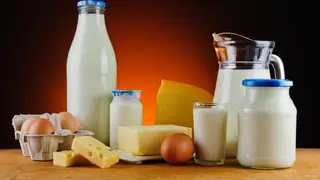
A systematic review of 22 studies involving thousands of participants across Europe, Canada, and the United States found that naturally occurring trans fats in dairy products do not carry the cardiovascular health risks associated with industrial trans fats. The research, spanning both controlled dietary trials and long-term population studies, found no link between dairy trans fats and increased risk of heart disease, stroke, or type 2 diabetes. The findings challenge the assumption that all trans fats pose equivalent health threats, distinguishing between fats formed naturally in ruminant digestive systems and those created through industrial partial hydrogenation.
The distinction between trans fat sources hinges on their chemical origins. Ruminant animals naturally produce trans fats during their digestive breakdown of plant compounds, which then accumulate in milk and meat products. Industrial trans fats arose from deliberate chemical modification of vegetable oils to extend shelf life and improve texture in processed foods—a practice now largely phased out due to documented cardiovascular harm. The scale of exposure differs markedly: dairy trans fats constitute only a fraction of total fat intake in typical diets, whereas industrial versions were engineered into countless food products at higher concentrations.
The research methodology combined experimental precision with real-world duration. Short-term controlled trials measured immediate physiological responses like cholesterol and triglyceride levels, while multi-decade cohort studies tracked actual disease outcomes in large populations. This two-pronged approach addressed a key limitation: controlled trials cannot capture effects that develop over years, while observational studies may reflect confounding lifestyle factors that trials can isolate and control.
These findings could reshape dietary guidance and consumer anxiety around dairy products, potentially affecting food industry marketing and public health messaging. People managing cardiovascular disease or diabetes risk may reconsider dairy consumption patterns. However, the results apply specifically to naturally occurring dairy trans fats and do not modify existing evidence against industrial trans fats. The distinction matters primarily for populations in regions where industrial trans fat regulations remain loose, and for clarifying that blanket trans fat avoidance may be unnecessarily restrictive regarding whole dairy foods.