Consumer Health Brands Embrace Retail Marketing Strategies as They Separate from Pharma Giants
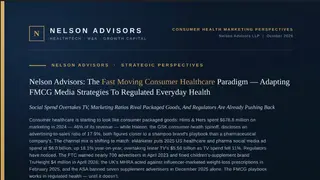
Over-the-counter medicines and wellness brands are increasingly operating as independent entities after splitting from major pharmaceutical conglomerates, adopting marketing strategies traditionally used by consumer packaged goods companies. Companies like Haleon, Kenvue, and Opella are implementing high-velocity commercial approaches while balancing regulatory compliance and consumer privacy requirements. This structural shift reflects changing consumer behavior toward proactive self-care and the growing importance of retail media in healthcare product promotion.
Major pharmaceutical companies have systematically separated their consumer health divisions since 2022 to concentrate resources on high-value specialty drugs and biologics. Haleon, Kenvue, and Opella now operate as standalone enterprises managing familiar household brands like Tylenol, Sensodyne, and Voltaren. This organizational shift fundamentally changes how these businesses compete—moving away from decade-long drug development cycles toward rapid-turnover consumer goods models emphasizing volume sales, supply chain agility, and continuous product innovation.
These independent entities are adopting marketing frameworks refined by global consumer goods manufacturers, applying data-driven targeting and retail optimization techniques previously uncommon in healthcare marketing. The shift reflects recognition that self-care products operate in a £200 billion global market where consumer purchasing patterns resemble conventional packaged goods more than prescription pharmaceuticals, requiring faster decision-making and promotional responsiveness.
This structural evolution could reshape how consumers discover and purchase over-the-counter health products, potentially increasing marketing visibility and promotional activity in retail environments. Patients and consumers may encounter more frequent advertising and personalized digital marketing for wellness items. However, the transition occurs within regulated frameworks requiring health authorities' oversight, suggesting consumer protections remain embedded in this commercial transformation. The outcome may improve product accessibility and innovation, though it could also intensify competition and marketing intensity in everyday healthcare categories.